
Conflict Management for Leaders

While we may wish for our organizations to run in perfect harmony, the truth is that a diversity of voices will inevitably give rise to conflict. And that’s not always a bad thing—in fact, conflict management isn’t simply about nipping disagreements in the bud. It’s about minimizing the negative impact of conflict (lower employee engagement and morale, decreased productivity) while drawing out the positive aspects (generating new ideas, creative problem-solving, opportunities for growth).
4 New Year’s Resolutions that Will Make You a More Effective Leader

[feat-img-left] In 2016, resolve to be a more effective leader by trying out these four practices: Pause more often. When it feels as though demands are being thrown at you non-stop, taking the time to pause feels counter-intuitive. The natural instinct is to increase your own pace to keep up with the external world—but this […]
Why Corporate Training Fails (and What You Can Do About It)

We’ve got some astoundingly bad news: 90% of what employees learn in corporate training is going to vanish the second they walk out of the classroom (or log out of the LMS).
Five Tips for Creating Successful Instructional Videos

In 2015, having video in your online course is almost an imperative—video can demonstrate and illuminate concepts that are more difficult to express in text, and its mass appeal is apparent with both young and mobile learners. But if you use this tool, you have to do it right—learners associate the quality of instructional tools with the quality of the content.
The Four People You Need on Your Team

Social Media integration can be a real game-changer when it comes to staying ahead with your learning & development efforts. The flexibility and unique learning opportunities offered through social channels can be surprisingly effective. You might not immediately think that social media is a valuable way for your trainees to spend their time, but in today’s modern and highly mobile workforce, a new perspective on L&D might be just the spark you need to fan the fire of innovation. Here are four ways you can incorporate social media into your programs for real results.
Designing Culturally Inclusive Learning Environments

An inclusive learning environment is one in which every learner feels welcome, able to access and engage with course materials, and safe to express personal viewpoints. Because eLearning creates the possibility of a global classroom, with students representing many different cultures and backgrounds within a single course, inclusivity becomes both a necessity and an interesting challenge for online instructors. How can you facilitate a learning environment in which all voices are both able to be expressed and heard? How can the teaching materials accommodate everyone?
6 Ways to Create Authentic eLearning

Educational courses and training programs have often followed a very familiar route: instructor presents information, learners ingest information and prove they’ve understood it via a test, and then instructor releases learners into the world to utilize their newly gained skills.
Cultivating Instructor Presence in an Online Environment

One of the toughest parts about leading online instruction is the missed opportunity for face-to-face contact time with students, which some course leaders believe can establish authority, strengthen the instructor-learner relationship, and set the tone for learning. And research shows that a strong instructor presence leads to better student learning, cognition, and motivation. But how can you do this in the online environment?
What Learners Really Think about eLearning
Want to know what eLearners really think about online courses? Below are the top three complaints we’ve heard from online learners, as well as remedies that can help you sidestep learner complaints and start basking in positive feedback.
Increasing Learner Motivation with Gamification
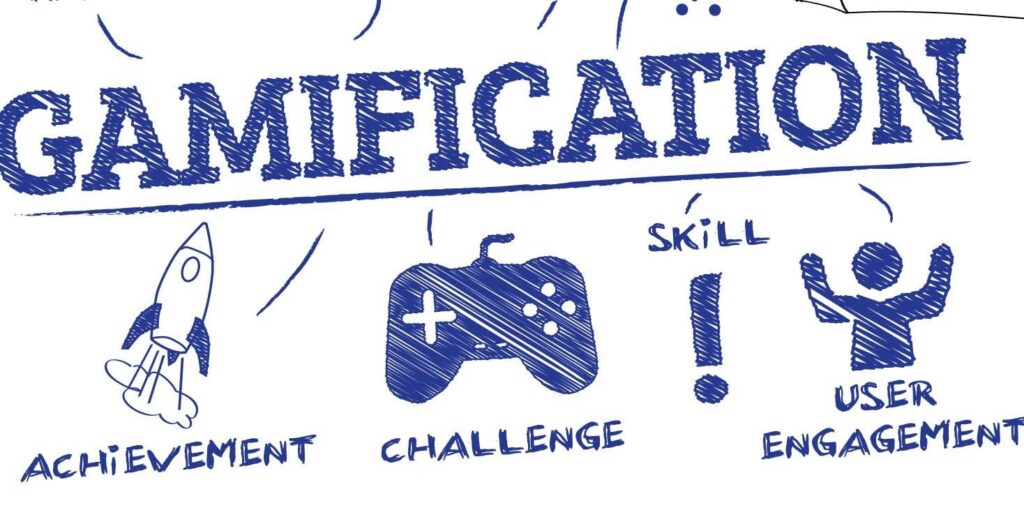
Games have long held a position of power in the world of online content. Even before mobile devices became a popular form of game consumption, computer games were an excellent way for a user to interact with the online world. Gamification is so powerful because it is fun and addictive. People want to keep playing, they want to compete, they want to win prizes, and are happy to learn some important lessons along the way. So, if you are at all interested in exploring how gamification can play into your eLearning strategy, read on for 5 surprising benefits of this learning strategy.
When the Going Gets Rough: Surviving the Top 3 Hassles of Being an Instructional Designer

It may be fun at times, but no one said this line of work would be easy. Developing courses for outside audiences can be difficult, especially for designers who are neither content experts nor teaching the course once it’s launched. In fact, instructional designers are called upon more and more often to be project managers in addition to their regular responsibilities.
Rubrics: The Scaffolding of Quality eLearning
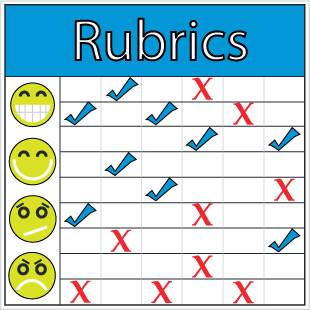
Rubrics are a necessary part of any effective training, but many instructors and designers struggle with creating them. Rubrics serve as a guide for determining whether or not the learning process was successful, and once written, they can guide design decisions, such as the appropriate types of assessments to use.